Nurse-led · Wimbledon
Polynucleotides (PDRN): what they are and who they suit
A nurse's plain-English guide to one of the most talked-about skin treatments.
By Mariana, Nurse Aesthetic Practitioner · Wimbledon · Updated November 2026
About the treatment
Why so many people are asking about them
Polynucleotides are one of the most talked-about treatments in skin care right now. You may have seen them called PDRN, or heard the nickname "salmon DNA facial". It sounds unusual, so it's no surprise that I'm asked about it often.
In this guide I'll explain, in plain English, what polynucleotides are, how they differ from skin boosters, who they may suit, what an appointment is like and how many sessions you might need.
I'll also be honest about what we do and don't know. Research into their cosmetic benefits is still developing, and results vary from person to person.
My approach is always about subtle improvements, healthy-looking skin and helping you feel like the best version of yourself.
The basics
What are polynucleotides and PDRN?
Polynucleotides (PN) and polydeoxyribonucleotide (PDRN) are related DNA-derived compounds used in certain injectable aesthetic treatments.
They're often sourced from purified fish DNA, and are used with the aim of supporting skin quality and improving the appearance of ageing or damaged-looking skin.
The terms are sometimes used interchangeably, but PN and PDRN are not exactly the same. Their formulations, properties and treatment protocols can differ, which is why I explain the specific product I recommend for you.
Depending on the product and your individual response, they may help improve the appearance of:
- Fine lines and crepey-looking skin
- Tired-looking skin around the eyes
- Skin texture and hydration
- Skin that has lost some of its natural elasticity
- Dull or uneven-looking skin
They aren't designed to add volume or change the shape of your face. The aim is healthier-looking skin that still looks like yours.
Comparing treatments
Polynucleotides or skin boosters?
Both are used in treatments focused on skin quality, but they contain different ingredients and have different intended effects.
Traditional hyaluronic acid skin boosters primarily focus on hydration and skin quality. Polynucleotide and PDRN products contain DNA-derived compounds that are being investigated for their effects on tissue repair and skin appearance.
If you're unsure which suits you better, you don't need to decide in advance. At your free consultation I'll look at your skin, listen to your concerns and explain the differences, so you can choose with confidence.
Treatment areas
Where can they be used?
At MP Aesthetics Wimbledon I offer polynucleotide treatments for three areas.
Under the eye. The skin around the eyes is delicate, and fine lines, crepey texture and tired-looking skin can become more noticeable over time. Treatment is used with the aim of improving skin quality and softening the appearance of fine lines gradually. Not all dark circles respond to polynucleotides, as pigmentation, hollowing, puffiness and genetic factors may need a different approach, so I'll assess the area first.
The full face. Full-face treatment takes a more comprehensive approach, supporting smoother-looking texture, the appearance of fine lines and a fresher, more hydrated complexion.
The neck. The neck can show changes in texture and elasticity too. Where an appropriate product is available and clinically suitable, treatment may be considered as part of a personalised plan.
You can see the treatments and current prices on my polynucleotides page.
Your appointment
What to expect
Treatment usually involves a series of small injections into the selected area using a fine needle. Appointments generally take around 30–45 minutes, depending on the area treated.
You may feel some pinching or stinging, particularly around the delicate eye area. I'll explain each stage and discuss suitable comfort measures.
Small bumps or raised areas can appear at the injection sites straight afterwards. Mild redness, swelling, tenderness and bruising are also possible. These often settle over several days, although some people have longer-lasting swelling or nodules. I'll give you detailed aftercare instructions and explain which symptoms need medical attention.
Results
How many sessions, and when will I see results?
Polynucleotides are approached as a gradual skin-quality treatment, not an instant transformation. Visible improvements may take several weeks to develop.
For many injectable polynucleotide products, an initial course of approximately three sessions, often spaced two to four weeks apart, is recommended. The exact schedule depends on the product, the treatment area and the manufacturer's protocol, and maintenance sessions may be discussed based on your response and goals.
I'll explain the expected timeline, limitations and a suitable schedule for you before we begin.
Safety
Risks and who should be careful
All injectable treatments carry risks, including infection, allergic reactions, persistent lumps and other complications.
Many polynucleotide products are fish-derived, so it's important to tell me about any allergies. I'll review your medical history, allergies and previous treatments, explain the safety information for the specific product and make sure you understand the benefits and risks before you decide.
I'll also be honest if I think polynucleotides aren't right for your concern. Sometimes a different treatment, or no treatment at all, is the better advice.
What to expect
A simple way to start
Book a free consultation
We'll talk about your skin, your concerns and what you'd like to achieve. There's no obligation.
Get a personalised plan
I'll assess your skin and medical history and recommend what I genuinely think is suitable.
Begin treatment
If you decide to go ahead, we agree the schedule, and I'll look after you throughout.
Your practitioner
Clinical expertise, personal care
Mariana is an NMC-registered nurse with over 15 years of clinical experience. She trained with the Derma Institute, is a CPD member (24 CPD points) and is fully insured.
- Price
- See current prices on the polynucleotides page
- Clinic hours
- Thursday 10:00am – 7:00pm
Saturday 10:00am – 7:00pm - Address
- 21 Inner Park Road, Wimbledon
London SW19 6ED
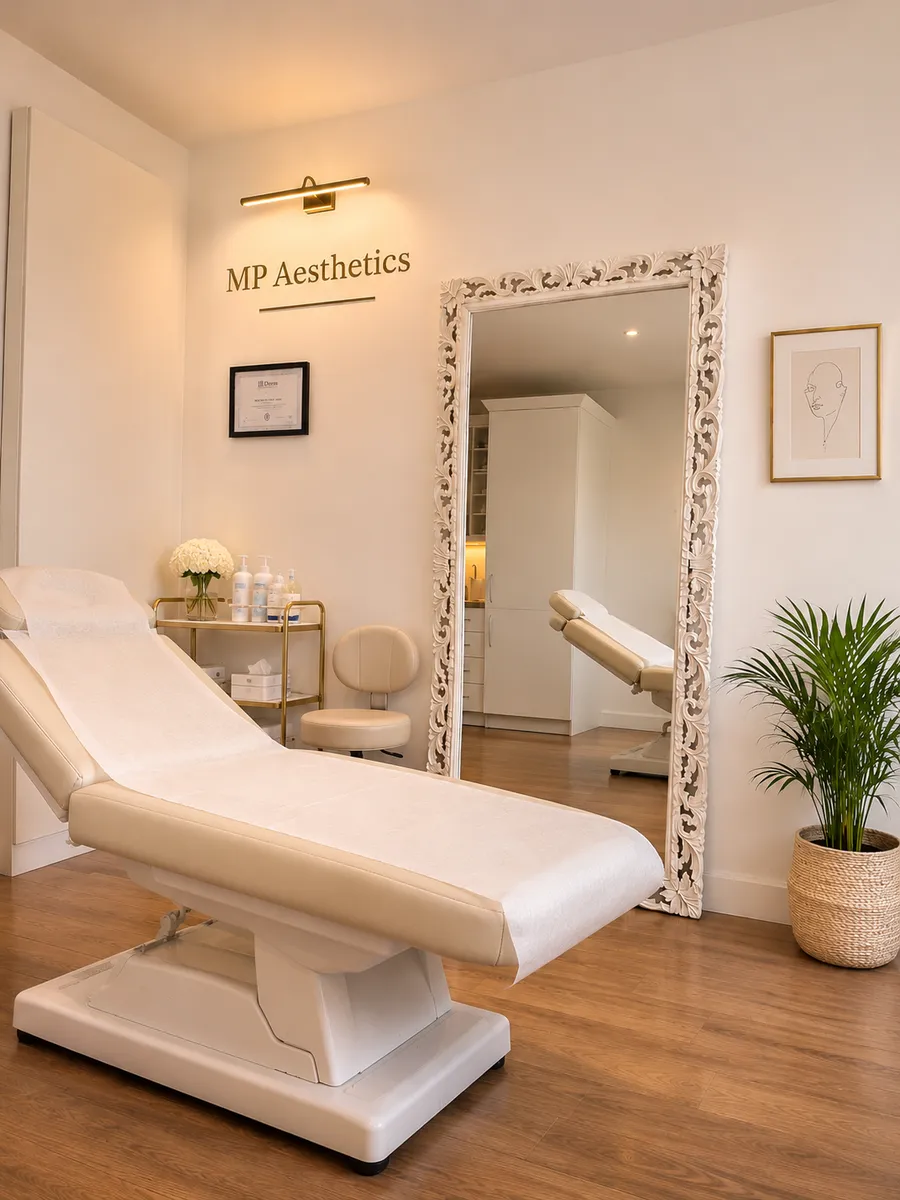
The clinic
Calm, private and carefully prepared
Your treatment takes place in my private treatment room at 21 Inner Park Road, Wimbledon.
Every appointment is unhurried, with time to talk, ask questions and feel comfortable.
Questions answered
Common questions
Are polynucleotides the same as skin boosters?
Both are used in treatments focused on skin quality, but they contain different ingredients and have different intended effects. Traditional hyaluronic acid skin boosters primarily focus on hydration, while polynucleotide and PDRN products contain DNA-derived compounds being investigated for their effects on tissue repair and skin appearance.
Will polynucleotides make my face look fuller?
They are not generally intended to add structural volume in the same way as dermal fillers. Temporary swelling can occur after injections.
Can polynucleotides help with dark circles?
They may be considered for selected under-eye skin-quality concerns, but dark circles have many different causes. I'll assess whether your concerns are likely to benefit.
How many sessions will I need?
For many products, an initial course of about three sessions, often two to four weeks apart, is recommended. The schedule depends on the product, area and manufacturer's protocol.
Are polynucleotides safe?
All injectable treatments carry risks, including infection, allergic reactions and persistent lumps. Many products are fish-derived, so tell me about relevant allergies. I'll explain the risks before you decide.
Do I need a consultation first?
Yes. All new clients begin with a complimentary consultation, with no obligation to proceed.
Explore
Other treatments
Ready to book?
Every treatment begins with a complimentary consultation, with no obligation to proceed.